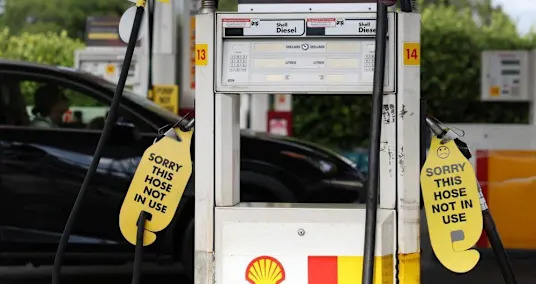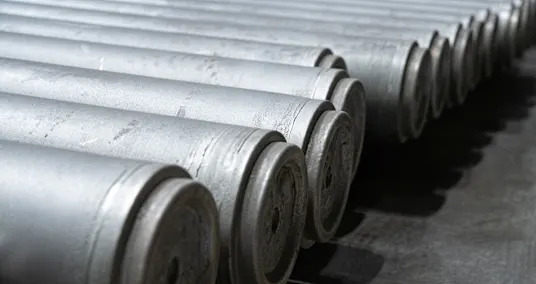
Fears of global aluminium shortages that could affect the production of clean energy technologies intensified after Iran struck two major Gulf aluminium producers, sending prices to a four-year high. The Middle East accounts for 9% of the world’s production of aluminum, which is essential to a wide range of industries from transportation, construction, and packaging, as well as the manufacture of solar panels, electrical transmission systems, wind turbines, and EVs.
Export shipments to the US and Europe had already come to a halt because of the effective closure of the Strait of Hormuz, and Morgan Stanley economists singled out aluminium as carrying a high level of risk across the value chain. Andy Farida, an aluminium analyst at Fastmarkets, told Semafor that high prices would be passed on to end-users, ultimately causing demand destruction. “A prolonged shutdown (with little to no alternative supplies other than Russia and China) could cripple the supply of aluminium to support the production of clean and green technology,” he said, adding that relief could come “if governments allow some sanctioned Russian and Chinese aluminium to be imported.”

LATEST POSTS
- 1
 'Supergirl' drops 1st teaser trailer: Watch Milly Alcock as Kara Zor-El and the return of Krypto the Superdog
 - 2Watch Chinese astronauts enjoy '1st ever space BBQ' from Tiangong's brand-new oven (video)
- 3Whale stranded off Germany for days found stuck again
- 4Somalia set for 'historic' first offshore oil drilling
- 5‘Aid for Ukraine’ pierogi fundraiser event




- Inside the alleged Russian operation to trigger anti-government protests in Angola
- Independence from the rat race: How to Save and Contribute Shrewdly
- Pick Your Favored kind of salad
- Best bar-b-que Style: Which One Is Your Number one?
- How to watch ‘The Traitors’ Season 4: Premiere date, episode release time, full cast list and more
- The Quadrantid meteor shower peaks tonight, but will the full 'Wolf Moon' outshine the show?
- Geminid meteor shower 2025 peaks next week. Here's what you need to know about this year's best meteor shower
- 'Malcolm in the Middle' reboot releases 1st trailer, reuniting Frankie Muniz and Bryan Cranston: Watch here
- Australians told to continue Easter travel plans despite fuel shortages