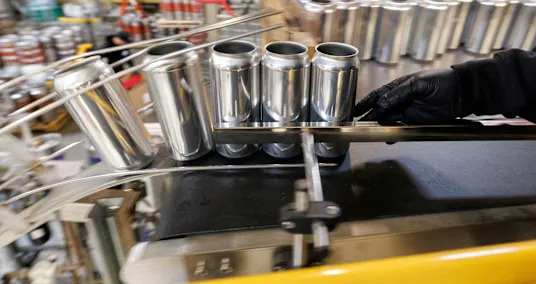
The Gulf’s 3.5 million tonnes of aluminum output is at risk because of the Iran war, and could trigger a global supply crisis according to analysts Wood Mackenzie.
Emirates Global Aluminium has halted operations in Abu Dhabi, after its Al Taweelah site sustained “significant damage” during an Iranian attack on March 28. That takes 1.6 million tonnes a year of production offline and it could take a year to repair. Aluminium Bahrain (Alba)’s facility was also hit by Iran on March 28 and its 1.6 million-tonne-a-year plant may now be working at just 30% of capacity. Qatar’s Qatalum is operating at around 60% capacity.
The Gulf accounts for around 23% of global, non-China aluminum production. Most Gulf output is sold overseas and the regional crisis is having a knock-on effect globally. Aluminum is in high demand from fast-growing industries such as electric vehicles, solar panels, wind turbines, and data centres. Prices are now at their highest level in four years.
LATEST POSTS
- 1
 Warming winters lead to more nitrate pollution in the drinking water near farms
 - 2UK, Canada, Germany, others condemn Israel's West Bank settlement plan
- 35 Family SUVs for 2024: Which One Accommodates Your Family's Needs\uff1f
- 4San Francisco mayor says city in talks to bring pandas back to zoo ahead of trip to Asia
- 56 Robot Vacuum Cleaners for Easy Home Cleaning





- How to watch 'A Charlie Brown Christmas' for less with this Apple TV Black Friday deal
- the Kinds of Thailand: Decision in favor of Your Number one Thai Dish!
- What will happen if Artemis 2 astronauts get hit by a solar storm during NASA's ambitious moon mission?
- 7 Fast Approaches to Let loose Space on Your Telephone in a flash
- East Germany Somehow Built a Real Sports Car and It Was Wild
- Tech Devices 2023: The Most blazing Arrivals of the Year
- He made a name for himself posting thirst traps on TikTok. Now he's the star of a wildly popular rom-com.
- Pope Leo XIV calls for urgent climate action and says God’s creation is 'crying out'
- Eight Muslim nations condemn Israel's 'dangerous' new death penalty law