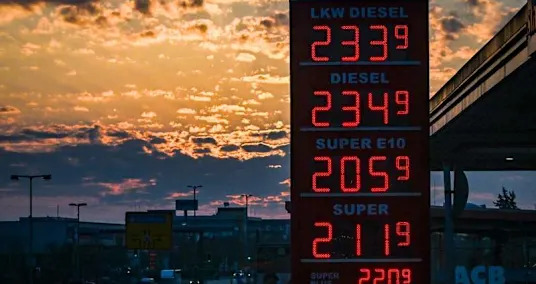
A clear majority of people in Germany believe the government's measures against rising fuel prices are inadequate, with 80% of respondents surveyed saying not enough is being done, the ZDF's Politbarometer poll released on Friday showed.
Some 14% consider the measures appropriate while 3% say they go too far.
Many people are calling for a temporary cut in taxes and levies on petrol and diesel, the survey found. Some 73% support such a step while 25% oppose it. That's backed by a majority across most party supporters, with only Green party supporters showing a split picture.
On Thursday, the German parliament passed a package of measures to help cushion the higher energy costs. Petrol stations will only be allowed to raise prices once a day at noon (1100 GMT), though they could cut prices anytime.
The new rule could take effect before Easter, though it is unclear whether it will curb prices. The Federal Cartel Office is also to be given more powers to act against excessive prices.
LATEST POSTS
- 1
 Find the Abilities Required for Advanced Advertising Position
 - 2Day to day Temporary Positions That Compensate Fairly in the US
- 3What is colostrum? And should you be taking it?
- 4Kremlin: Russian troops conquer Pokrovsk after year of intense combat
- 5Africa's energy giants eye long-term gains on Iran war disruption


- Zelensky confidant dismissed from further posts amid bribery scandal
- Trump administration plan to reduce access to some student loans angers nurses, health care groups
- Knesset sets special panel to fast-track Karhi’s communications reform
- Nvidia Share Price Could Be Hit Hard By Iran War
- 10 Hints for a Fruitful New employee screening
- The Best 20 Tunes that Characterized an Age
- Jersey's wellbeing score is below UK and France
- The most effective method to Pick the Right Material Organization: Your Definitive Aide
- How to disinfect if the stomach bug hits your home