NUSEIRAT, Gaza Strip (AP) — Yassin Marouf, 23, lies in a tent, his left foot amputated and his right leg severely wounded after being hit by Israeli shelling in May. His brother was killed in the same attack, and Marouf struggles with basic movements. Doctors say his right leg may also need amputation unless he receives treatment outside the Palestinian territory.
Nearby, 34-year-old Haneen al-Mabhouh, sits in a wheelchair in her family home in Nuseirat, central Gaza, mourning the loss of her four daughters, including her 5-month-old baby, who were killed in an Israeli strike on her home last year. Al-Mabhouh also lost her leg in the attack and awaits permission to travel abroad for further treatment that could restore her mobility.
“I dream of walking again, of holding a new baby, of rebuilding my family,” she said, her voice heavy with grief. For now, she relies on her parents for basic daily care and cannot even hold a pen.
In Gaza, thousands face similar challenges. Youssef al-Samri, 16, lost both legs while fetching water near his home after an Israeli airstrike in May. Displaced to a kindergarten in the al-Tuffah neighborhood of Gaza City, he navigates his world on his hands, relying on support to move through the classrooms where children play around him.
Twelve-year-old Fadi al-Balbisi is learning to walk again with a prosthetic after losing his right leg to shelling in April. At Hamad Hospital in Zawaida, he practices with a prosthetic limb under the guidance of specialists, each step a hard-earned milestone toward regaining independence.
The World Health Organization estimates that 5,000 to 6,000 people in Gaza have become amputees from the Israel-Hamas war, a quarter of them children. Many face long waits for prosthetics or medical evacuations abroad. Local centers, like the Artificial Limbs and Polio Center in Gaza City, are overwhelmed and have only limited supplies to provide artificial limbs.
While a recent shipment of essential prosthetic materials has arrived in Gaza, the need remains critical. Patients like al-Mabhouh and Marouf face months-long waits for treatments that could prevent further amputations or restore mobility. Even with ceasefires in place, medical evacuations have been slow, hampered by bureaucratic and logistical barriers.
In the midst of this crisis, the lives of those affected are frozen in uncertainty. For al-Mabhouh, Marouf, al-Samri, and al-Balbisi, each day is a struggle for movement, dignity, and hope, as they navigate the aftermath of war with resilience and the faint promise of medical help.
—
This is a photo gallery curated by AP photo editors.
LATEST POSTS
- 1
 A company is trying to unlock a key to aging, in a long-overlooked body part
 - 2From Certificate to Dollars: College Majors with Extraordinary Monetary Prizes
- 3Support Your Body: A Manual for Smart dieting and Sustenance
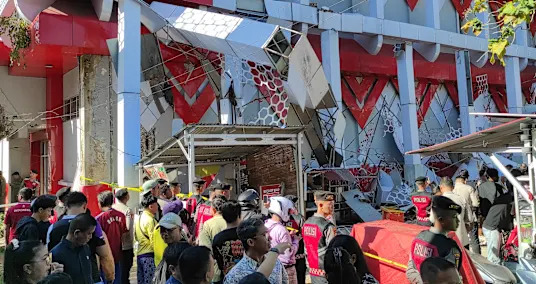
- 4Earthquake in Indonesia kills at least 1 person and sets off small tsunami
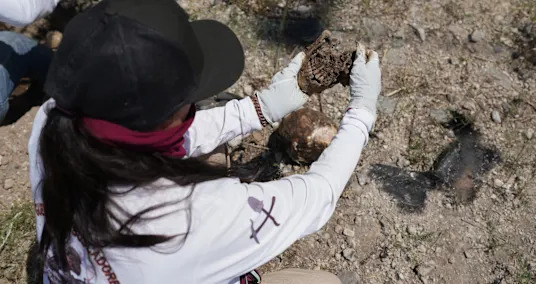
- 5Mexico says a third of 130,000 missing people might be alive, fueling criticism from families


- Lift Your Style: Famous Hairdos for Ladies
- Radiate brilliantly: The 5 Precious stone Rings to Purchase in 2024
- EU foreign ministers commemorate Russian massacre in Bucha
- South Africa pushes for $200B investment
- Ocean side Objections: Staggering Waterfront Breaks
- ‘Everybody Loves Raymond: 30th Anniversary Reunion’ premiere date: How to watch, channel, time, cast and more
- HR exec caught on Coldplay 'kiss cam' with boss finally breaks her silence: 'I made a bad decision and had a couple of High Noons'
- When the moon hits your eye from your Orion ship up high, that's a 'mare'
- New movies to watch this weekend: See 'The Running Man' in theaters, rent 'One Battle After Another,' stream 'Nobody 2' on Peacock